

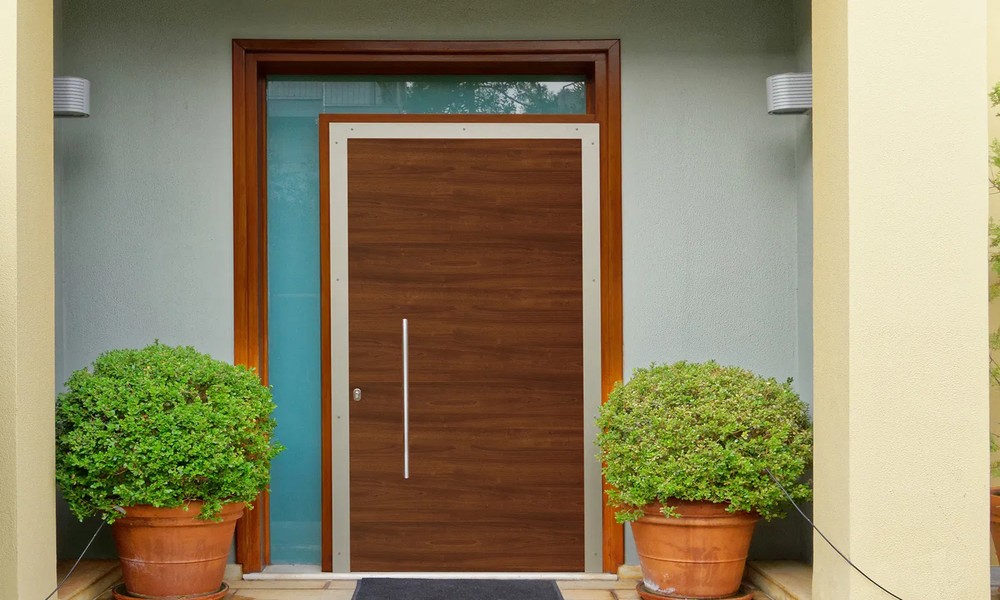
The durability and appearance of your interiors can be affected by the type of veneer you select. When deciding on a and cabinets, there are two main factors to take into consideration: function and aesthetics. A that is knowledgeable about veneer sheet usage in different types of cabinet applications will help you make informed decisions.
Before selecting a veneer, understanding the intended use of the veneer is important. Knowing the location and how often the cabinet door and cabinet surfaces will be exposed to different materials is important for determining the right type of veneer to select.
- Is there a difference in the durability of cabinet finished Veneer door surfaces design versus cabinet finished cabinet surfaces?
- What types of surfaces are there? Will they be exposed to moisture, heat, or direct sunlight?
- Where will you be using your cabinets (kitchen, bedroom, or office)?
When selecting the wood species and grain types to use in your cabinets, the type of wood species and the type or types of grain associated with that wood species are determining factors in the appearance of your selected Kitchen cabinet veneer sheet.
Selection Tips
- Use straight grain type(s) for contemporary or clean looks.
- Use heavily patterned and/or grain type(s) for unique designs.
- Ensure that the grain patterns used within the veneer sheets match the grain type(s) used in the cabinetry and surrounding area.
- All veneer surfaces should have a consistent finish.
Different Finishes Available For Veneer
- Matte
- Gloss
- Textured
- Natural
Check For Thickness/Quality
The quality/thickness of the veneer is very important when looking for doors or cabinets.
Things To Look For:
- Consistent thickness throughout the entire sheet
- Properly bonded with the base material.
- Free of defects or blemishes
- No cracking or peeling
Durability and Maintenance
High-use surfaces such as cabinets and doors must be given priority for durability and maintenance.
Important Characteristics:
- How well do your cabinet/door surfaces resist scratches or wear?
- How easily will you be able to clean surfaces?
- Will the finish you chose last through many uses?
- Are cabinet/door surfaces compatible with daily use?
Coordinate With Interior Design
When adding a cabinet veneer sheet, it is essential to coordinate all of the design elements (colour, texture, and materials) to create an integrated overall design concept for your interior space.
Helpful Hints:
- Use veneers that are the same tone as your flooring or furniture.
- Use contrasting laminates with your cabinet veneers.
- Use the same finish on all cabinets and doors for a consistent look.
- Don’t mix too many patterns.
Veneer Sheet Selection Guide
By following a simple, standardised veneer sheet selection guide, you will have a more coherent, streamlined way to determine which material would work best for your project.
Steps:
- Determine the area of use.
- Determine the type and grain of wood you wish to use.
- Make a decision on the finish and texture.
- Confirm the quality and durability of the veneer.
- Choose the wood based on its meeting the design criteria you want to achieve.
Conclusion
The selection of the correct cabinet veneer is a critical process. The combination of the design, durability and function of the veneer must be evaluated. By carefully selecting your laminate options from Royale Touche that work well with your cabinet veneer, you will further enhance the aesthetics of your overall design scheme.