

The Pervasive Presence Of Asbestos In Older Homes
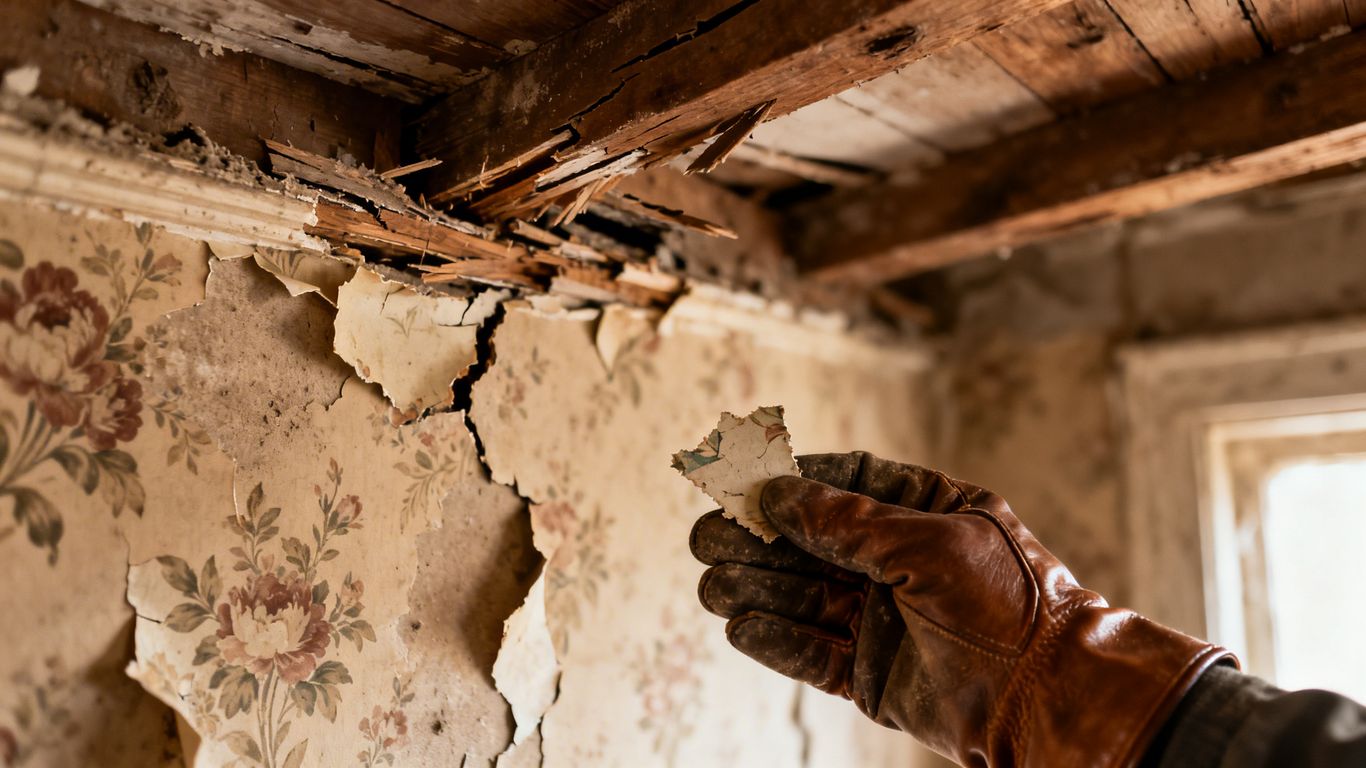
Many homes built before the mid-1980s likely contain asbestos. This mineral was a popular building material for decades due to its heat resistance, durability, and insulating qualities. It was incorporated into a wide array of products, from insulation and roofing to textured paints and floor tiles. While intact asbestos materials pose little risk, their presence becomes a significant concern when renovations begin. Disturbing these materials can release microscopic fibers into the air, creating an invisible hazard. Understanding that your older home might contain asbestos is the first step toward a safe renovation project.
Health Hazards Associated With Disturbed Asbestos Fibers
When asbestos-containing materials are disturbed—through cutting, sanding, or demolition—tiny fibers can become airborne. Inhaling these fibers is the primary route of exposure and can lead to serious, long-term health problems. These fibers can lodge in the lungs and other organs, causing inflammation and scarring over time. The health risks are substantial and include:
- Asbestosis: A chronic lung disease that causes shortness of breath and coughing due to lung scarring.
- Lung Cancer: Exposure significantly increases the risk of developing lung cancer.
- Mesothelioma: A rare but aggressive cancer that affects the lining of the lungs, abdomen, or heart. This is almost exclusively linked to asbestos exposure.
It is important to note that symptoms of these diseases often do not appear for many years, sometimes decades, after exposure has occurred. This latency period underscores the importance of preventing exposure in the first place. For more information on the health impacts, resources like The Mesothelioma Center can provide detailed insights.
Why Asbestos Testing Is Crucial Before Renovation
Before any renovation work begins on a vintage property, a professional asbestos inspection is not just recommended; it is a critical safety measure. Attempting to identify asbestos by sight alone is impossible, as the fibers are microscopic. DIY testing kits can offer some indication, but they often lack the accuracy and reliability of professional analysis. Certified professionals have the training and equipment to safely collect samples and send them to accredited laboratories for definitive testing. This process is vital for several reasons:
- Accurate Identification: It confirms whether asbestos is present and identifies the specific types and locations.
- Risk Assessment: It helps determine the condition of the materials and the potential for fiber release.
- Informed Planning: It provides the necessary information to develop a safe and compliant renovation plan, including necessary abatement procedures if required.
Identifying Potential Asbestos-Containing Materials
When renovating an older home, spotting materials that might contain asbestos is a key early step. Because asbestos was used so widely for its insulating and fire-resistant qualities, it can turn up in many unexpected places. Understanding where it’s commonly found can help you and your inspector focus their efforts.
Common Locations For Asbestos In Vintage Properties
Asbestos was often mixed into building materials to make them stronger and more durable. This means it could be present in a variety of applications throughout your home:
- Textured Ceilings and Walls: Materials like popcorn ceilings, stucco, and textured paints often contained asbestos for added bulk and adhesion. Disturbing these with sanding or scraping can release fibers.
- Flooring: Older vinyl floor tiles, particularly those manufactured before the 1980s, and their accompanying adhesives frequently contained asbestos. Even if they look intact, wear and tear or damage can make them a hazard. Asbestos floor tiles can be tricky to identify visually.
- Insulation: Loose-fill insulation, especially vermiculite found in attics and crawl spaces, is a common culprit. Pipe wrap insulation around boilers, ducts, and hot water heaters also often contains asbestos.
- Roofing and Siding: Asbestos was used in cement shingles, siding panels, and roofing felts for its durability and fire resistance.
- Other Areas: Don’t forget about areas like drywall joint compounds, plaster, and even older electrical wiring insulation. Sometimes, it can even be found in attached garages in materials like brake pads or clutch linings if you do any work there.
Suspect Materials In Walls, Ceilings, And Floors
When you’re looking at the interior of your home, pay close attention to these specific areas:
- Ceilings: Beyond popcorn textures, older ceiling tiles themselves could be made with asbestos. If you see brittle, discolored tiles that crumble easily, treat them with caution.
- Walls: Textured wall finishes are a primary concern. Also, consider the joint compound used to finish drywall seams; it could contain asbestos.
- Floors: Look for older vinyl or linoleum flooring, especially if it’s 9×9 inch tiles. The adhesive used to secure these tiles is another potential source of asbestos.
Insulation, Roofing, And Electrical Components To Inspect
Moving beyond the main living areas, these components also warrant a thorough check:
- Insulation: Check any insulation around pipes, boilers, or HVAC systems. Loose-fill insulation in attics, often appearing as small, shiny pebbles (vermiculite), should be treated as suspect.
- Roofing: Inspect older roofing materials like cement shingles or asphalt felt. If your home has older siding, that could also be a source.
- Electrical: While less common, older electrical wiring might have asbestos insulation. This is something a professional inspector would be trained to identify.
The Importance Of Professional Asbestos Inspections
When you’re looking at renovating an older home, the idea of asbestos might not immediately cross your mind. But it’s a really common material found in homes built before the 1980s. Trying to figure out if it’s there and what to do about it yourself can be tricky, and honestly, pretty risky. That’s where bringing in the pros comes in.
Why DIY Asbestos Testing Is Not Recommended
It might seem like a good idea to save some money by testing for asbestos yourself. You can buy kits, and there are plenty of videos online showing how to take samples. However, this approach comes with significant drawbacks. For starters, asbestos fibers are microscopic. You can’t see them with the naked eye, and if you disturb them while trying to collect a sample, you could release them into the air. This is exactly what you’re trying to avoid. Improper sampling can lead to inaccurate results, giving you a false sense of security or causing unnecessary alarm. Plus, if you don’t handle the samples correctly, you could contaminate your home further. The health risks associated with inhaling asbestos fibers are severe and long-lasting, including serious respiratory illnesses and certain types of cancer. It’s just not worth the gamble.
The Role Of Certified Professionals In Sampling And Analysis
Certified asbestos inspectors have the training and equipment to identify suspect materials safely. They know where to look, how to collect samples without releasing fibers, and how to package them for laboratory analysis. These professionals follow strict protocols to minimize exposure during the inspection process. They use specialized tools and personal protective equipment (PPE) to protect themselves and your household. Once samples are collected, they are sent to accredited laboratories for testing. These labs use advanced techniques to confirm the presence and type of asbestos. This detailed analysis provides a clear picture of the situation, which is vital for making informed decisions about your renovation plans. For example, SOCOM Restoration provides certified asbestos testing and can help you understand the results.
Ensuring Accurate Risk Assessment And Management Plans
After the testing is done, a professional inspector will provide a detailed report. This report doesn’t just say ‘yes’ or ‘no’ to asbestos; it outlines the specific materials that contain asbestos, their condition, and the potential risk they pose. Based on this assessment, they can recommend a management plan. This plan might involve:
- Encapsulation: Sealing the asbestos-containing material to prevent fiber release.
- Enclosure: Covering the material with a protective barrier.
- Removal: Safely taking out and disposing of the asbestos-containing material.
Choosing the right approach depends on the type of material, its location, and your renovation plans. A professional assessment helps you understand the scope of the problem and the best way to address it, protecting both your health and the integrity of your home during and after the renovation.
Navigating Asbestos Regulations And Compliance
Understanding Legal Requirements For Asbestos Management
When you’re planning a renovation, especially in an older home, it’s easy to get caught up in the excitement of new designs and finishes. However, overlooking the legal side of things, particularly concerning asbestos, can lead to serious trouble. Various government bodies, like the EPA and OSHA, have put strict rules in place to manage asbestos. These aren’t just suggestions; they’re laws designed to protect people from the health risks associated with asbestos fibers. For instance, federal laws like the Clean Air Act and the Toxic Substances Control Act set standards for how asbestos should be handled. If your home was built before the 1980s, there’s a good chance asbestos is present in some building materials. Ignoring these regulations can result in hefty fines, project shutdowns, and, most importantly, put the health of everyone involved at risk. It’s always best to know what the law requires before you start tearing into walls or ceilings.
The Significance Of Professional Abatement Services
Dealing with asbestos isn’t a DIY job. Because asbestos fibers are so dangerous when disturbed, you really need professionals who know what they’re doing. These certified experts have the right training, equipment, and procedures to safely remove or contain asbestos materials. They understand the specific techniques needed to prevent fibers from becoming airborne during the process. This is where professional abatement services come in. They don’t just remove the material; they also handle the proper disposal according to strict environmental guidelines. Trying to handle asbestos yourself could expose you, your family, and your neighbors to harmful fibers, leading to severe health issues down the line. Hiring licensed professionals is a non-negotiable step for safety and legal compliance.
Documentation For Real Estate Transactions And Resale
If you’re thinking about selling your home in the future, or if you’re buying a property that’s undergoing renovation, documentation related to asbestos is becoming increasingly important. Many real estate transactions now require proof that asbestos has been properly inspected and, if necessary, managed. This documentation serves as a record for potential buyers, lenders, and insurers, showing that the property has been assessed for asbestos hazards. It demonstrates due diligence and can prevent future liabilities. Having a professional asbestos survey report can be a significant selling point, assuring buyers that the home is safe and that you’ve taken responsible steps. It’s a key part of ensuring a smooth sale and maintaining the property’s value.
Planning Your Renovation With Asbestos Safety In Mind
Integrating Asbestos Safety Into Renovation Budgets
When planning any renovation project in a vintage home, it is important to account for potential asbestos-related costs from the outset. This proactive financial planning can prevent unexpected expenses and delays down the line. The initial inspection and testing phase should be budgeted for, as should potential abatement or encapsulation services if asbestos is identified. These costs can vary significantly based on the amount of asbestos-containing material (ACM) present and the chosen remediation method. It is wise to set aside a contingency fund specifically for unforeseen asbestos issues that may arise during demolition or construction.
Communicating With Contractors About Asbestos Concerns
Open and clear communication with your renovation contractors is vital. Before work begins, inform them about the results of your asbestos inspection. Provide them with a copy of the asbestos management plan, if one exists. Discuss how the presence of asbestos will affect their work, including:
- Specific areas that require careful handling or avoidance.
- The need for specialized containment procedures.
- Protocols for waste disposal.
- Any required personal protective equipment (PPE) for workers.
This dialogue helps ensure that all parties understand the risks and necessary precautions, fostering a safer working environment for everyone involved.
Creating A Safer Environment For Occupants And Workers
Prioritizing safety for both the occupants of the home and the workers undertaking the renovation is paramount. If asbestos is present, measures must be put in place to minimize exposure. This might involve:
- Temporarily vacating the property during any asbestos disturbance or abatement activities.
- Implementing strict dust control measures, such as sealing off work areas and using negative air pressure machines.
- Ensuring that workers are properly trained in asbestos safety and use appropriate PPE.
- Conducting air quality testing after remediation to confirm that the environment is safe before reoccupation or before proceeding with other renovation tasks.
Safe Practices For Asbestos Mitigation
Encapsulation Versus Full Asbestos Removal
When asbestos is found, there are typically two main approaches to manage it: encapsulation or full removal. Encapsulation involves sealing the asbestos-containing material (ACM) with a specialized coating. This method is often suitable for materials that are in good condition and unlikely to be disturbed. It’s generally less disruptive and less costly than full removal. However, it’s important to understand that encapsulation doesn’t eliminate the asbestos; it merely contains it. The material still needs to be managed carefully, and periodic inspections are necessary to check for any signs of damage or deterioration that could compromise the seal.
Full asbestos removal, on the other hand, means completely taking out the ACM. This is usually the preferred method for materials that are damaged, friable (easily crumbled), or located in areas prone to disturbance. While more involved and expensive, it provides a definitive solution by eliminating the hazard from the property. The decision between encapsulation and removal often depends on the specific material, its condition, its location, and the homeowner’s long-term renovation plans. A professional assessment will help determine the most appropriate course of action.
Proper Disposal Procedures For Asbestos Materials
Handling asbestos waste requires strict adherence to regulations to prevent environmental contamination and protect public health. Once asbestos-containing materials are removed, they must be carefully packaged. This typically involves double-bagging the material in heavy-duty, specifically labeled asbestos disposal bags. All seams and openings should be securely sealed with strong tape.
Disposal itself must occur at a licensed landfill that is permitted to accept asbestos waste. Homeowners will usually receive a disposal manifest, which is a document that tracks the waste from its origin to its final destination. It is highly recommended to keep these manifests indefinitely. They serve as proof of proper disposal and can be important for future property transactions or if any questions arise about past abatement work. Failure to follow these disposal procedures can result in significant fines and legal penalties.
Maintaining A Safe, Asbestos-Free Living Space
After asbestos has been addressed, whether through removal or encapsulation, maintaining a safe living environment is key. This involves ongoing vigilance and good practices. For instance, if encapsulation was performed, regular visual inspections are important. Look for any cracks, peeling, or damage to the encapsulant that might indicate the asbestos is no longer contained.
It’s also wise to educate all household members and any future contractors about the locations where asbestos was present or treated. Marking these areas on home maintenance plans can help prevent accidental disturbance. Consider installing high-efficiency particulate air (HEPA) filters in your HVAC system to capture any stray airborne particles. Furthermore, when undertaking future projects, always communicate with contractors about the history of asbestos in the home to ensure they take appropriate precautions. This proactive approach helps preserve the health and safety of everyone in the home.