

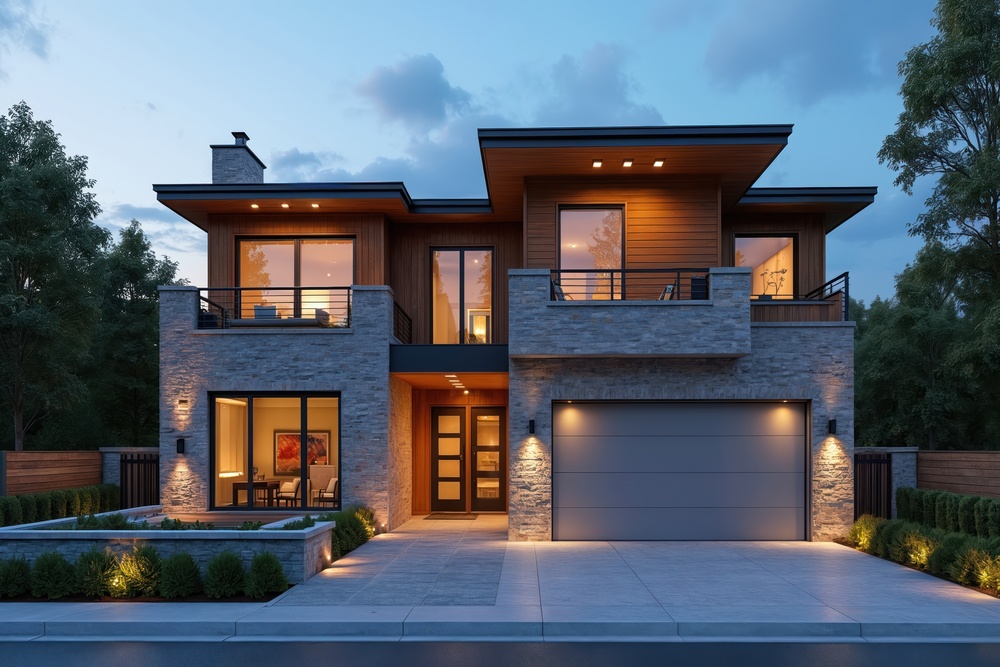
The wealthy used to chase the biggest house on the best street. Now they’re after something else entirely. Forget the ready-made mansions with marble foyers and rooms nobody enters. Rich Americans want homes built around how they actually live, not how some developer thinks rich people should live. This shift runs deeper than trends; it shows how money and status work differently now.
The Problem with Pre-Built Luxury
Drive through any upscale neighborhood. Notice anything strange? These million-dollar properties could be twins. Same fancy stonework. Same oversized entrance. Same dining room that hosts maybe three dinners a year. Buyers drop serious cash for stuff they never wanted while missing what they really need.
Expensive spec homes stick to tired blueprints. Giant kitchens for folks who eat out five nights a week. Bedrooms gathering dust while retirees rattle around empty houses. That pristine living room? Meanwhile, everyone hangs out in the den. High-end buyers got tired of paying top dollar for someone else’s guess at luxury.
Watch what happens after the purchase. Fresh owners rip out brand-new kitchens. They turn bedrooms into gyms. Add theaters, wine cellars, whatever they actually wanted. After dropping another small fortune on renovations, they’ve basically paid twice for one house. It makes you wonder why they didn’t just start at zero.
Personal Space Gets Personal
Custom homebuyers see space through their own lens. Privacy beats everything else for today’s wealthy. Cookie-cutter mansions can’t separate a Zoom call from a teenager’s drum practice. But custom layouts solve this puzzle. Home offices sit far from playrooms. Guest suites give visiting parents independence. In-law apartments connect yet divide. Try making that work in somebody else’s blueprint.
According to the experts at Jamestown Estate Homes, land selection opens new doors when you build on your lot. Forget fighting over the same three neighborhoods. Find that perfect hillside plot. Grab waterfront acreage an hour from town. Position the house to capture breezes or dodge afternoon sun. Each room gets the view you choose, not whatever direction the builder faced.
Technology Integration From Day One
Ever seen smart home gear crammed into an old house? Cables snake everywhere. The app crashes daily. Voice commands work half the time if you’re lucky. Starting fresh means hiding all that mess inside walls where it belongs. Charging stations disappear into furniture. Security cameras look like architecture, not afterthoughts.
Rich folks take safety seriously but hate living in obvious fortresses. Custom builds hide the paranoia. Safe rooms blend into floor plans. Biometric locks look like regular handles. Art collections get specialized climate control without turning homes into museums. Planning beats patching every time.
The New Status Symbol
Buying expensive real estate? That just proves you have money. Designing something original? That shows personality, intelligence, and creativity. Custom homes give successful people something money alone can’t buy; a chance to create rather than consume.
The process hooks Type-A personalities. These folks built careers by controlling details and solving problems. Now they’re choosing doorknobs and debating ceiling heights. Sounds tedious but beats another board meeting. Plus, architects and builders speak their language – deadlines, budgets, quality control.
Conclusion
Young money thinks differently from old money. They grew up tweaking Instagram filters and customizing everything. Why would houses be any different? Remote work just accelerated this shift. Home offices can’t be afterthoughts anymore. Neither can gyms, studios, or whatever else used to require commuting. Luxury got redefined somewhere along the way. Size stopped mattering so much. Looking rich matters less than living well. The wealthy figured out that custom homes aren’t splurges; they’re the only sensible way to get spaces that match modern life.