

Introduction
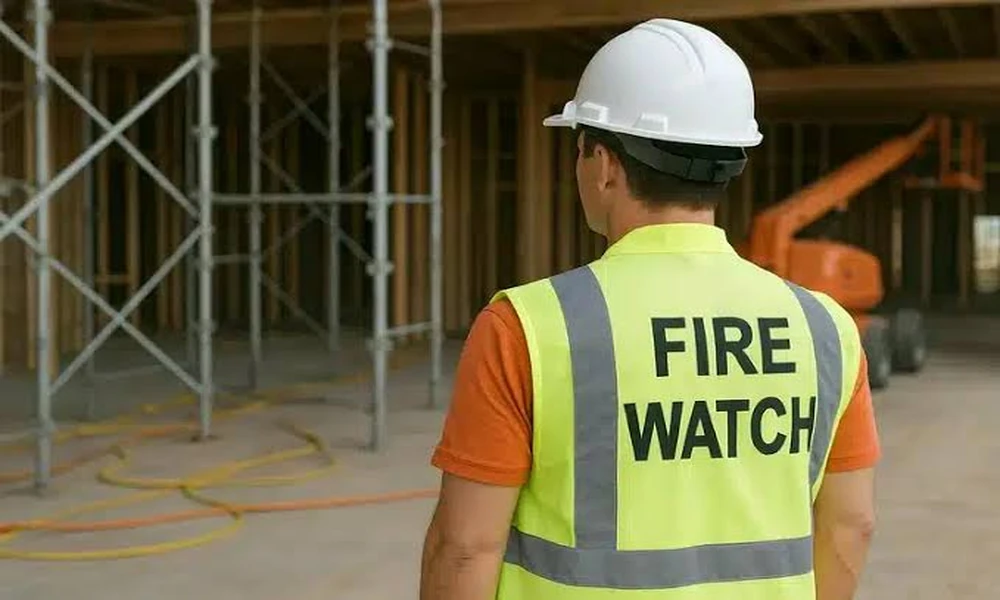
Fire watch services are crucial in situations where there is no regular fire safety system in place or where there is a heightened threat of fire. But, the presence of personnel on site does not ensure that a fire watch program is effective. It is important for businesses to regularly check on the effectiveness of their fire watch services. Measuring the key areas of site coverage, response, reporting, and hazard identification can help to enhance site safety overall.
Choosing reliable fire watch services jacksonville can make it easier for businesses to evaluate and maintain the effectiveness of their fire watch programs. Experienced personnel can provide consistent patrols, identify potential hazards, document site conditions, and communicate concerns promptly to the appropriate teams. By reviewing these activities regularly, facility managers can determine whether coverage is meeting site needs and identify opportunities to strengthen overall fire safety.
Evaluate Coverage Consistency
One of the most important first steps in an effective fire watch service is that required coverage is consistently maintained. Managers should ensure that guards are on time, on duty during their assigned shifts and observe all areas of responsibility. If they are not covered in the section, they should be recorded and explored. Staffing is especially critical when fire watch is needed 24 hours a day.
Monitor Patrol Performance
One of the main tasks of a fire watch is to conduct regular patrolling. Patrol logs can be used by managers to check if areas need to be inspected and if they are being inspected at the appropriate time. Records should contain a description of the time of patrol and whether any hazard was found. If there are repeated failures to patrol or complete reporting of patrols, this could mean there is a need to give the child more supervision or training.
Track Hazard Identification
The key to a good fire watch team is to be able to spot a potential fire emergency before it happens. Managers can check reports to find out how frequently hazards like blocked exits, combustible materials, sparks, overheated equipment or unsafe work practices are found by guards. The aim of the exercise is not just to count hazards but whether there is a consistent recognition and reporting of significant hazards.
Measure Response Time
The response time can offer valuable insight into the effectiveness of the personnel’s response to incidents that are developing. Discuss the timeliness of guards reporting hazards, notifying supervisors, sounding alarms or calling emergency services when necessary. Defining emergency processes and having effective communication systems in place can minimise needless delays.
Review Incident Outcomes
Incident/accident managers are expected to investigate what has happened and the effectiveness of the fire watch team. Questions might involve whether the hazard was detected promptly, whether the appropriate persons were contacted, and whether proper procedures were met. Such reviews can be the key to uncovering areas for improvement.
Assess Documentation Quality
Another measure, of course, is accurate documentation. Patrol Logs, Incident Reports, Shift Handovers, and Corrective Action Records should be complete, clear, and consistent. Inadequate documentation can make it challenging to understand site conditions or whether, if necessary, fire watch duties were carried out.
Gather Feedback
The input from facility management, security, contractors and fire watch staff can offer valuable feedback on service quality. Staff can recognise issues with communication, unclear roles or issues that are not clearly identified in a written report. Continuous improvement is fostered by regular feedback.
Review Training and Supervision
Any fire watch staff members should be assessed periodically to determine if they have the proper training for the site. Supervisors should also check performance and give further instructions if there are any weaknesses found. Training can ensure personnel stay ready when site requirements and duties are changing.