

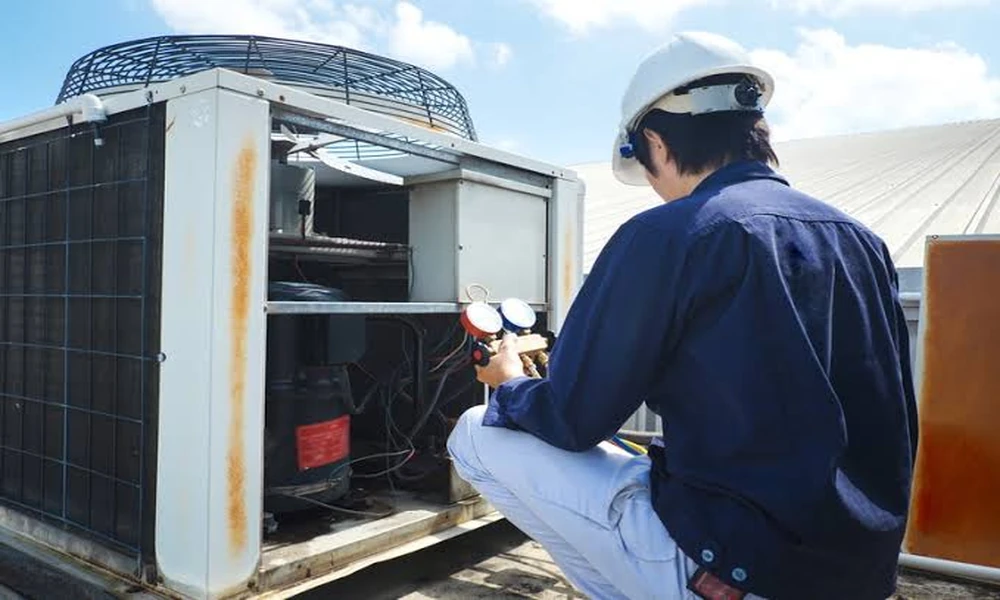
Many common heating and cooling beliefs quietly inflate your energy costs every month. From thermostat habits to filter myths, these misconceptions keep systems working harder than needed. Discover the truths that protect comfort and lower bills-plus simple steps any homeowner can take right away.
High energy bills often stem from everyday habits and long-held assumptions about how heating and cooling systems work. In places with harsh winters and humid summers, small mistakes add up fast. Misunderstandings about thermostats, filters, and system size can force equipment to run longer and less efficiently. Homeowners seeking reliable HVAC support across Eden Prairie, MN, benefit from knowing which ideas to drop. Clearing up these myths helps systems last longer, keeps indoor temperatures steady, and trims monthly costs without sacrificing comfort. The right knowledge turns your HVAC setup into a money-saver rather than a budget drain.
Common Myths That Quietly Raise Energy Costs
Many everyday beliefs about heating and cooling quietly push energy bills higher by making systems run longer and less efficiently. Understanding the real facts behind these common myths helps you cut waste and keep comfort steady.
1. Cranking the Thermostat Makes Rooms Heat or Cool Faster
Many people believe setting the thermostat much higher or lower speeds up temperature change. In reality, the system runs at a fixed rate. Extreme settings only make it work overtime once the target is reached, wasting energy and stressing components.
A better approach is gradual adjustments of a few degrees. Programmable or smart thermostats help maintain steady settings and avoid unnecessary cycles. Expert technicians note that consistent, moderate temperatures protect efficiency far better than big swings.
2. Closing Vents in Unused Rooms Saves Money
Sealing off vents seems logical for unused spaces, yet it often backfires. Restricted airflow raises pressure in the duct system, forcing the blower to work harder and reducing overall efficiency. Uneven pressures can also strain the equipment and create hot or cold spots elsewhere.
Keep vents open for balanced airflow. If certain rooms stay uncomfortable, professional duct evaluation or zoning options address the root issue more effectively than closed registers.
3. Newer Systems Never Need Maintenance
Some owners assume a recent install means zero upkeep for years. Even modern high-efficiency equipment collects dust, loses refrigerant charge over time, or develops minor airflow issues. Skipping service lets small problems grow into higher energy use and unexpected repairs.
Twice-yearly professional tune-ups-once before heating season and once before cooling season-keep efficiency high. Simple homeowner steps between visits include changing filters regularly and keeping outdoor units clear of debris.
4. A Bigger System Always Performs Better
Oversizing a furnace or air conditioner is a frequent mistake. Units that are too large short-cycle, turning on and off rapidly. This wastes energy, fails to remove humidity properly in summer, and wears parts faster. Proper sizing matches the home’s layout, insulation, and local climate demands.
Accurate load calculations during replacement or upgrade prevent these problems. Balanced systems deliver steady comfort and lower operating costs.
5. Filter Changes Are Optional or Rarely Needed
Dirty filters restrict airflow, make the system work harder, and raise energy consumption. They also allow dust and particles to circulate, affecting indoor air quality. Many homeowners wait until the filter looks dark, but monthly checks during heavy use seasons catch problems early.
Replace standard filters every one to three months depending on household conditions such as pets or allergies. Higher-efficiency filters support better air quality while maintaining proper airflow when sized correctly.
6. Ceiling Fans Only Work in Summer
Many assume ceiling fans are useless once the heating season starts. In cooler months, reversing the fan direction at a low speed gently pushes warm air down from the ceiling without creating a draft. This improves circulation so the furnace does not have to run as long to keep rooms comfortable.
Using fans year-round supports more even temperatures and reduces overall runtime. Pairing them with proper system settings delivers noticeable efficiency gains without extra cost.
7. Leaving the System Off Completely Saves the Most Energy
Turning the heating or cooling system completely off when leaving home or overnight seems like the ultimate saver. In reality, the unit then works much harder to recover the lost temperature later, often using more energy than maintaining a moderate setback.
A modest adjustment of several degrees while away, combined with a programmable thermostat, usually costs less overall. Consistent recovery periods protect both comfort and efficiency, especially in climates with wide temperature swings.
Practical Steps to Protect Your Energy Budget
Beyond dropping these myths, a few steady habits deliver measurable results. Schedule routine maintenance to catch efficiency losses early. Keep the area around outdoor units free of leaves and snow so the system breathes easily. Seal obvious duct leaks in accessible areas and consider professional duct sealing for bigger gains. Monitor monthly energy use to spot sudden jumps that may signal a developing issue. Reliable HVAC support across Eden Prairie, MN can also help identify airflow or humidity factors that quietly drive up costs.
Indoor air quality upgrades such as improved filtration or humidity control also support efficiency. Dry winter air or excess summer moisture forces systems to run longer; balanced humidity reduces that load while improving comfort.
FAQs
What single myth raises bills the most?
Thermostat over-adjusting and neglected filters often top the list because they affect daily runtime.
How often should filters really be checked?
Inspect monthly during peak seasons and replace as needed-waiting for visible dirt is usually too late.
Does closing bedroom doors help or hurt efficiency?
It can restrict airflow much like closed vents, so keep doors open when the system is running for better balance.
Can maintenance really lower my energy costs?
Yes. Clean, well-tuned systems use less electricity and gas while delivering the same comfort.
Is professional sizing worth the extra step?
Absolutely. Correctly sized equipment avoids short-cycling and runs more efficiently for years.
Wrapping Up
Dropping these heating and cooling myths stops the quiet drain on your energy budget. Steady thermostat habits, open vents, regular filter changes, proper system sizing, consistent maintenance, year-round fan use, and smart setbacks keep equipment running efficiently through Minnesota’s demanding seasons. Homeowners who apply these insights enjoy more reliable comfort and noticeably lower bills. For those who want expert guidance tailored to local conditions, trusted HVAC support across Eden Prairie, MN, makes the difference between guesswork and lasting results. Taking action now protects both comfort and long-term costs. Small corrections compound into meaningful savings while extending the life of your heating and cooling investment.