

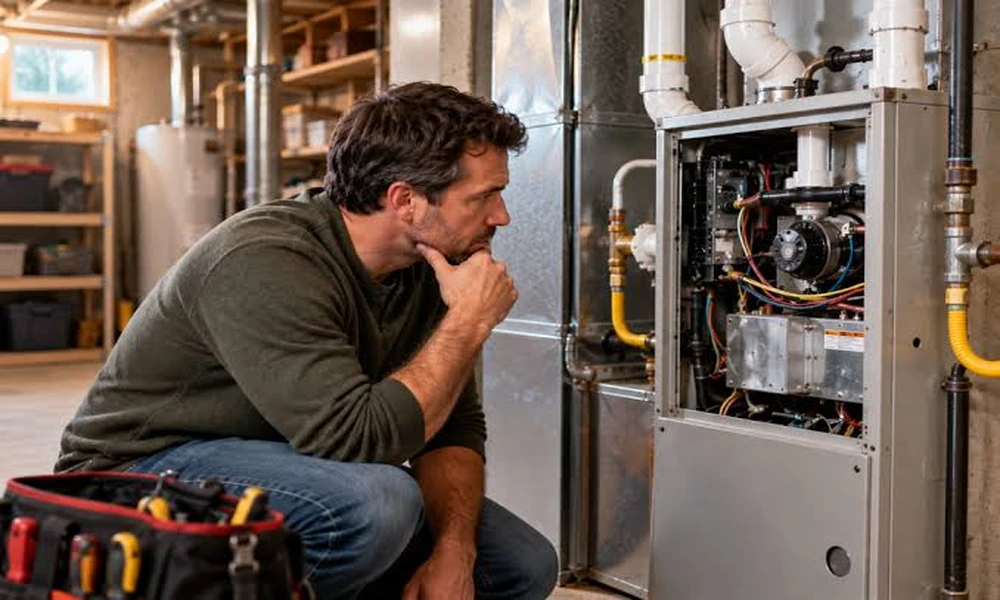
Nothing about a furnace breakdown is truly random. Every time the thermostat asks for heat, a modern gas furnace walks through the same short routine, and each part has to prove it is working before the next one is allowed to start. When the house goes cold, the machine has simply stopped at one of those checkpoints. Knowing where it stopped tells you far more than any list of generic warning signs.
That routine repeats hundreds of times over a Front Range winter. A January cold snap can keep a furnace cycling from dusk to dawn, and the parts that see the most starts are the ones that wear out first.
If you would rather hand the detective work to someone else, homeowners on the east side of the metro often turn to furnace repair in Aurora from lifestylehvac.com, a 24/7 heating and cooling shop on South Eagle Street whose customer reviews keep mentioning same day visits and straight answers about whether an old system is worth fixing. Even so, the steps below will help you describe the problem clearly and spot the repairs that should never wait.
The Routine Your Furnace Runs Every Single Time
Most gas furnaces built in the last twenty years follow roughly this order once the thermostat closes its circuit.
- The control board receives the call for heat and runs a quick self check.
- The inducer motor starts, pulling air through the burners and pushing exhaust out the vent.
- A pressure switch confirms that the vent is moving air properly.
- The hot surface igniter heats until it glows orange, usually for 15 to 30 seconds.
- The gas valve opens and the burners light.
- A flame sensor confirms that fire is actually present, or the gas shuts off within seconds.
- After a short delay, the blower motor starts pushing warm air into the ducts.
- A high limit switch watches the temperature the whole time and cuts the burners if things run too hot.
Stand near the furnace during a cycle and you can often hear each stage.
Trouble Before Any Flame Appears
The cheapest failures live at the very start. A thermostat with dying batteries, a loose wire or a setting accidentally switched to cool can make it look like the furnace is dead when it never received a request. Check those before anything else.
If the furnace hums but nothing seems to move, the inducer motor is a suspect. A worn inducer tends to whine or rattle for weeks before it quits, and that noise is worth reporting early.
The pressure switch is behind more no heat calls than almost any other part, yet the switch itself is rarely the real culprit. On high efficiency furnaces with white plastic pipes running out the side of the house, a drift of snow or a ring of ice across the intake or exhaust can block airflow overnight. A clogged condensate trap or a cracked rubber hose leading to the switch causes the same lockout. Clearing snow from those pipes after a storm is one of the few fixes a homeowner can safely handle alone.
The Few Seconds That Decide Everything
Ignition is a fragile moment. Hot surface igniters are brittle ceramic, and older silicon carbide versions commonly crack after a few seasons. If you can watch through the sight glass and see no orange glow at all, the igniter is the likely cause.
The more confusing pattern is a furnace that lights, burns for three to five seconds and then shuts down. That is almost always the flame sensor, a thin metal rod that slowly builds an oxide coating until the control board can no longer read the tiny electrical signal passing through the flame. Most boards try three times before locking out for an hour, which explains why the heat sometimes returns on its own and then fails again.
A tripped flame rollout switch is different and far more serious. That switch exists to catch fire escaping the burner area, which points toward a blocked flue or a damaged heat exchanger. Resetting it over and over is a gamble nobody should take.
Heat That Is Made but Never Arrives
Sometimes the burners fire perfectly and the rooms still stay cold. Here the blower is usually involved. Older furnaces use a PSC motor paired with a run capacitor, and a weak capacitor can leave the motor humming without spinning. Newer variable speed ECM motors are more efficient but carry their own electronics that can fail.
When the blower runs but airflow is choked, the high limit switch steps in. A packed filter, a dirty AC coil sitting above the furnace, closed registers or a duct that has slipped apart in the attic all trap heat inside the cabinet. The furnace overheats, shuts the burners off, cools down and tries again. That short cycling wastes gas and wears the heat exchanger quickly.
The Blinking Light Has Already Diagnosed It
Most control boards carry a small LED that flashes a code whenever the furnace locks out. The legend is usually printed on a sticker inside the access door, matching a certain number of blinks to a problem like a pressure switch fault, a flame loss or an open limit.
The trick is to read it before pulling the door off. Removing the panel trips a safety switch that cuts power to the board, and on many models that clears the code entirely. Peek through the small window first, count the flashes and snap a photo. A technician who knows the code can often bring the right part on the first trip.
When the Conversation Shifts to Safety
A few findings move a repair from inconvenient to urgent. A cracked heat exchanger can let combustion gases mix with the air you breathe. Soot around the burners, a yellow and lazy flame, a sharp smell of gas or a carbon monoxide alarm that sounds should all end any do it yourself effort immediately.
Fire service guidance echoes this. The Aspen Fire Protection District’s winter heating tips recommend a professional inspection every year, three feet of clear space around the furnace and leaving the house right away if you smell gas.
Age plays into the decision too. A furnace past fifteen or twenty years with a failing heat exchanger or control board often costs more to keep alive than it returns in comfort, while a younger unit with a worn igniter or dirty sensor is usually a quick and reasonable fix.
Listening for the Step That Went Silent
The most useful habit is simply paying attention to how far your furnace gets. A silent cabinet points one direction, a hum with no glow points another, and a flame that dies after a few seconds tells its own story. Changing the filter on schedule, keeping the side wall vent pipes clear of snow and scheduling a tune up before the first hard freeze prevent a surprising share of the failures described here. When something does go wrong, being able to say exactly which stage stopped turns a vague complaint into a fast, accurate repair.